

Founded in 1980, LIBI supports Israeli soldiers through education, recreational facilities, assistance for lone soldiers and aid to wounded troops’ families.
Since Israel was attacked On Oct. 7, 2023, the Israeli Defense Forces (IDF) and its reserves have been intensely active on many fronts. The horror of that day and its follow-up military activity are causing intense strain on many soldiers and their families — post-traumatic stress disorder (PTSD) as well as financial and emotional strain —while family members are on active duty and grief at the loss of loved ones.
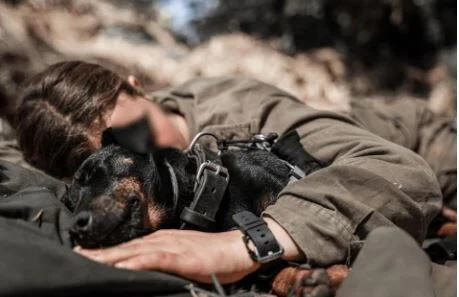
Nonprofit organizations and generous donors are stepping up to help IDF soldiers and their families with non-military needs as tours of duty are extended and stress increases. One organization is the volunteer-run LIBI — an acronym for L’maan Bitachon Israel, which means “for the safety of Israel.” The word libi in Hebrew means “from the heart.” LIBI was founded in 1980 by former Israeli Prime Minister Menachem Begin and IDF Chief of Staff Rafael Eitan to provide for the non-military needs of soldiers.
These include educational, spiritual, medical, social and recreational needs that are not covered in the IDF’s defense budget. LIBI is authorized by Israel’s Ministry of Defense and the IDF; its American offshoot — Friends of LIBI — was founded in 2002 during the second intifada.
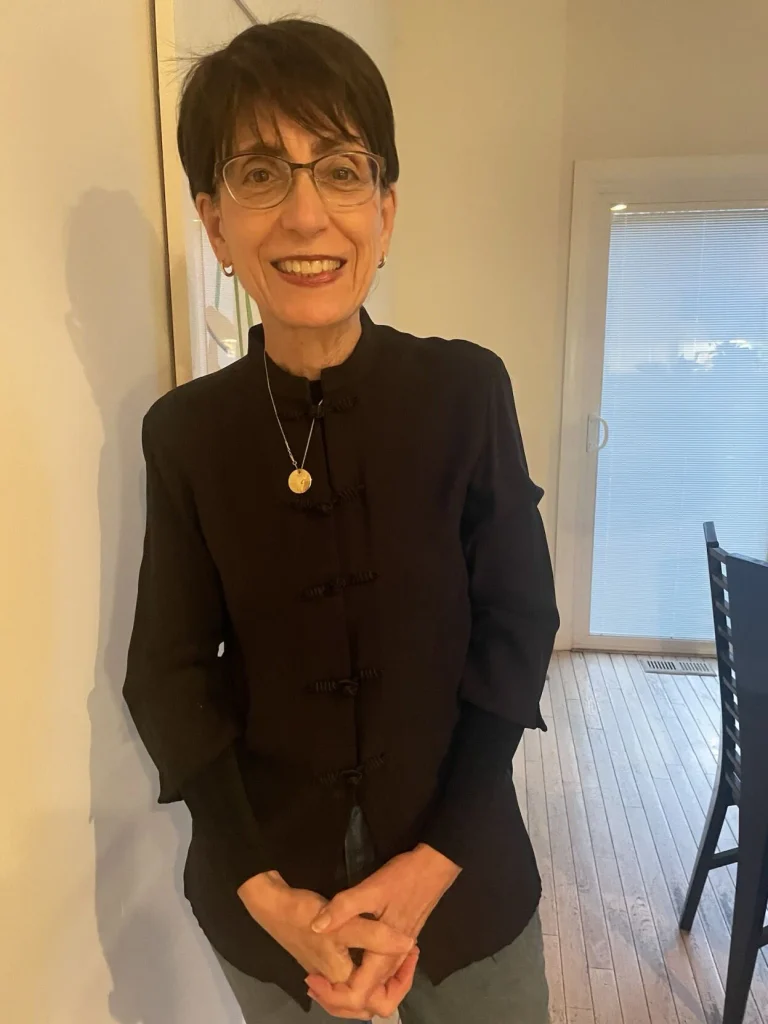
According to Margie Chachkin, who does community engagement for Friends of LIBI, the organization is primarily funded by American Jews. Ninety percent or more of all donations directly fund non-military programs for Israeli soldiers and their families. An advisory committee operates in the U.S., and a governing group is based in Israel.
Israel’s “Lone Soldiers” are one group that is assisted by LIBI. These IDF soldiers have no close family in Israel; LIBI offers them housing in Israel during holidays, flights home and funding for post-secondary education after their army service.
When soldiers are wounded and their families rush to the hospital, LIBI can help them with funds for food and transportation during this stressful time. Soldiers requiring long-term care, along with their families, are eligible for mental health and other support during rehabilitation. LIBI also builds recreational facilities and synagogues on army bases.

Don Cohen is one of LIBI’s local supporters. “I was looking for another way to support Israel and its soldiers. These are incredibly difficult times with soldiers in the reserves spending more time away from their jobs and families,” he said. “We’re helping them help themselves.”
Cohen finds LIBI’s “volunteer-run, grass roots approach with lower overhead” to be effective. “They’re trying to build more of a structure in the U.S.,” he added.
Zvi Alon, chairman of Friends of LIBI, is an Israeli American high-tech businessman whose wife was involved in the Friends of the IDF, which has a similar mission, for many years. Alon began supporting LIBI because he was convinced that it was a better option from an overhead perspective and the speedy use of donated funds.

He mentioned a project for IDF soldiers assigned to the Iron Dome, many of whom are female soldiers stationed in isolated areas. The army recommended that sports centers be built for them on their bases and three and a half months after the project was brought to LIBI, it was completed. LIBI is “close to the source of the need,” said Alon.
Chachkin says that interested supporters can host virtual briefings about LIBI in their homes or synagogues, which can include IDF soldiers or commanders speaking about LIBI’s programs. “Without soldiers, there is no Israel. They are the lifeline for Israel,” Chachkin said.
Story by: Shari Cohen | The Detroit Jewish News